










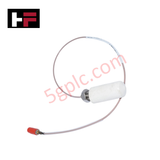
Product Details
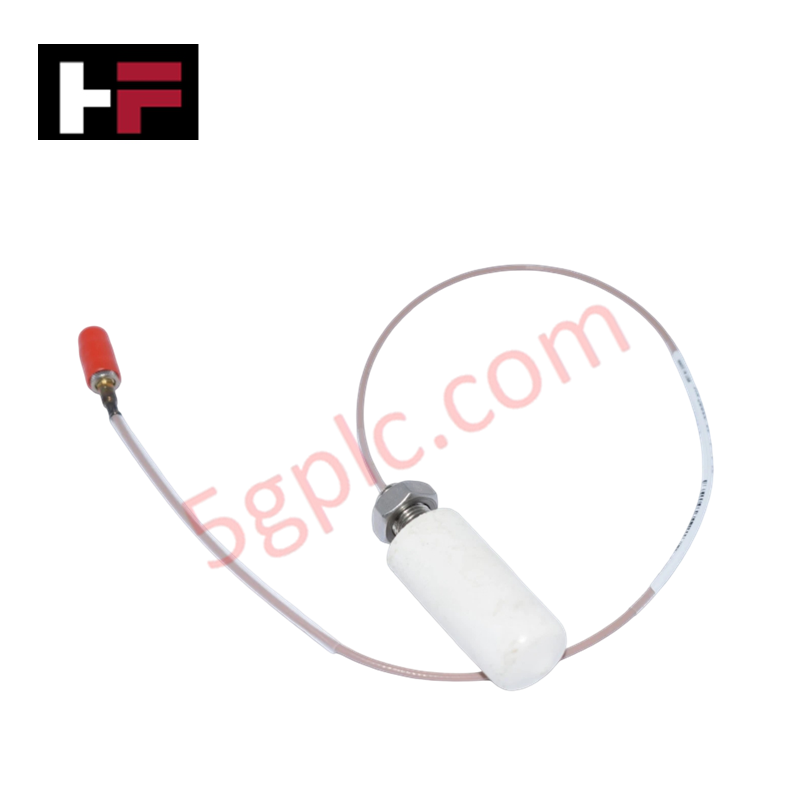
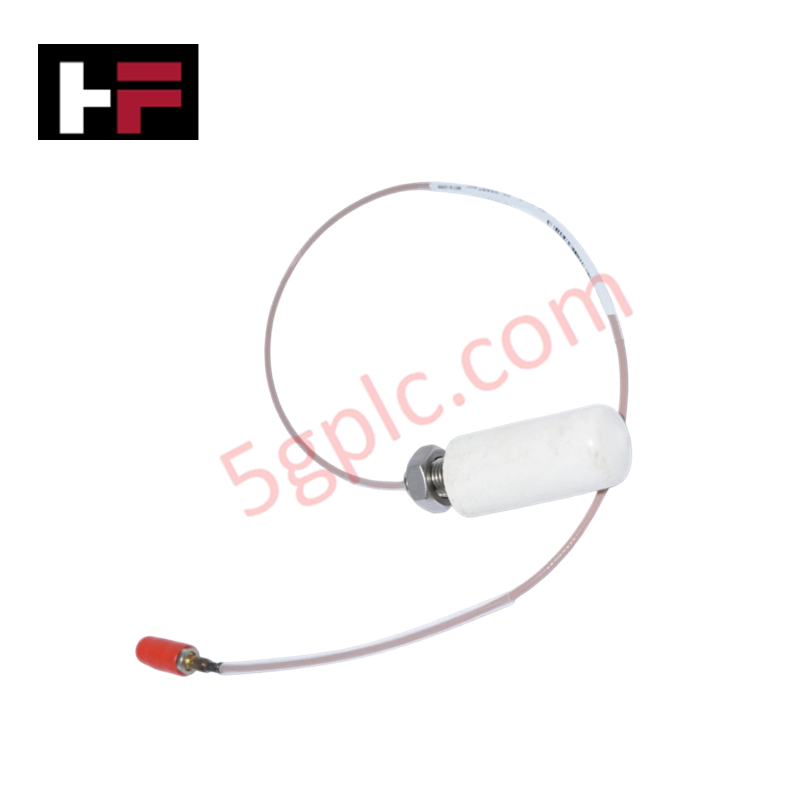
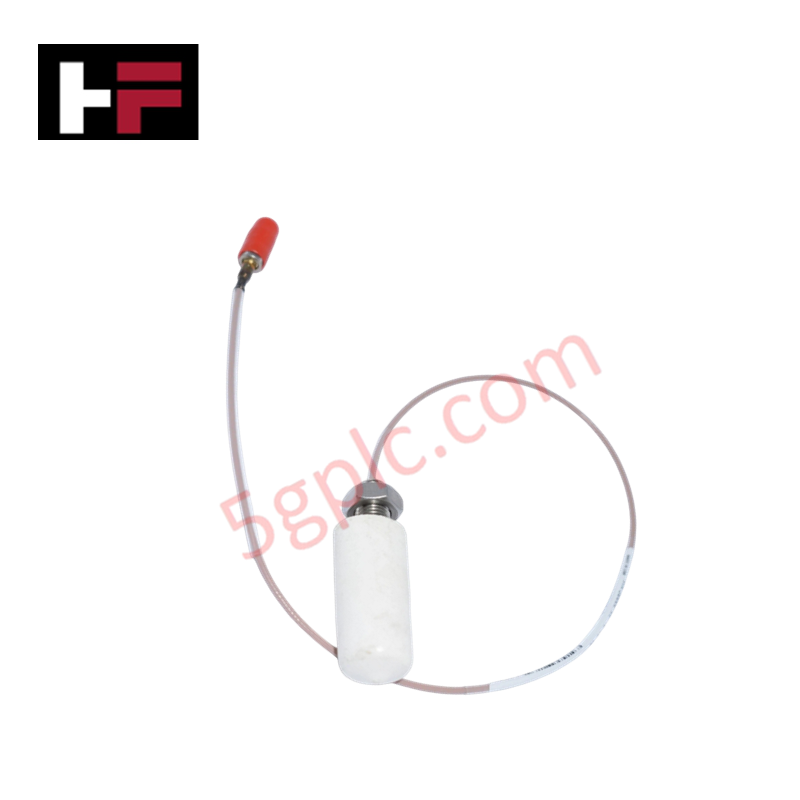
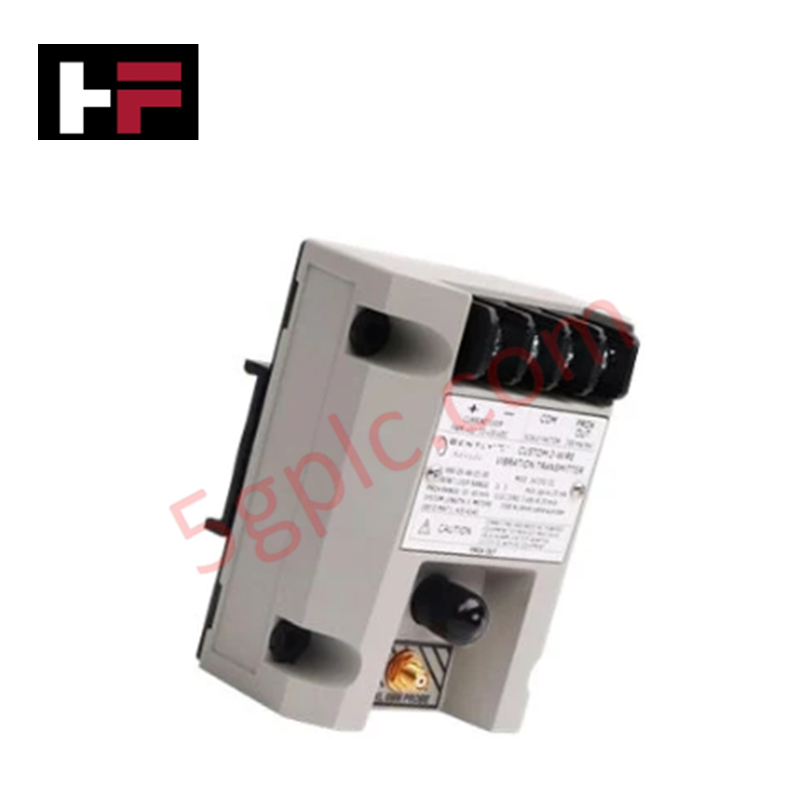
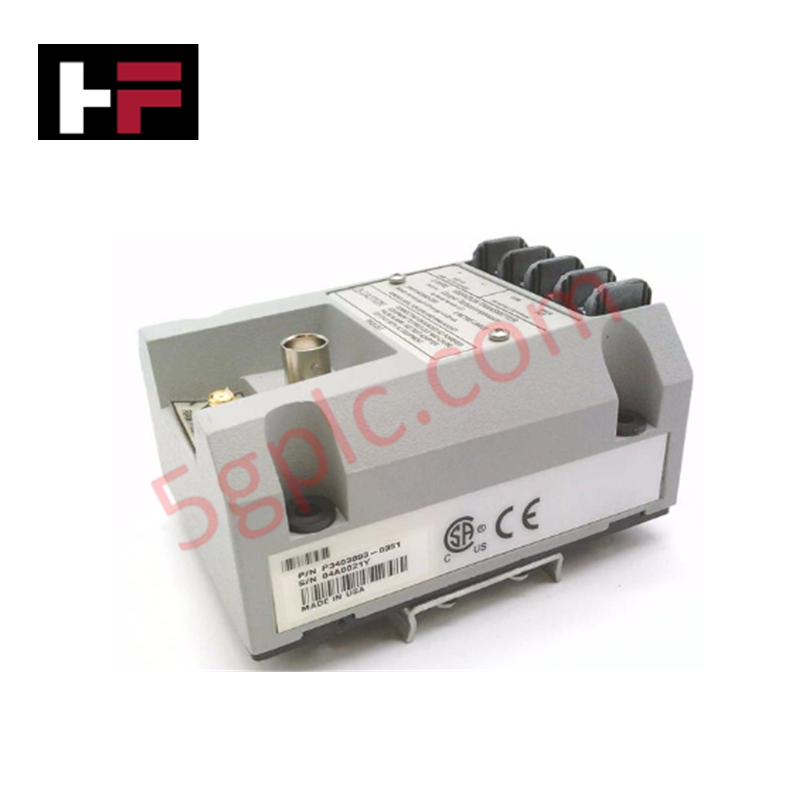
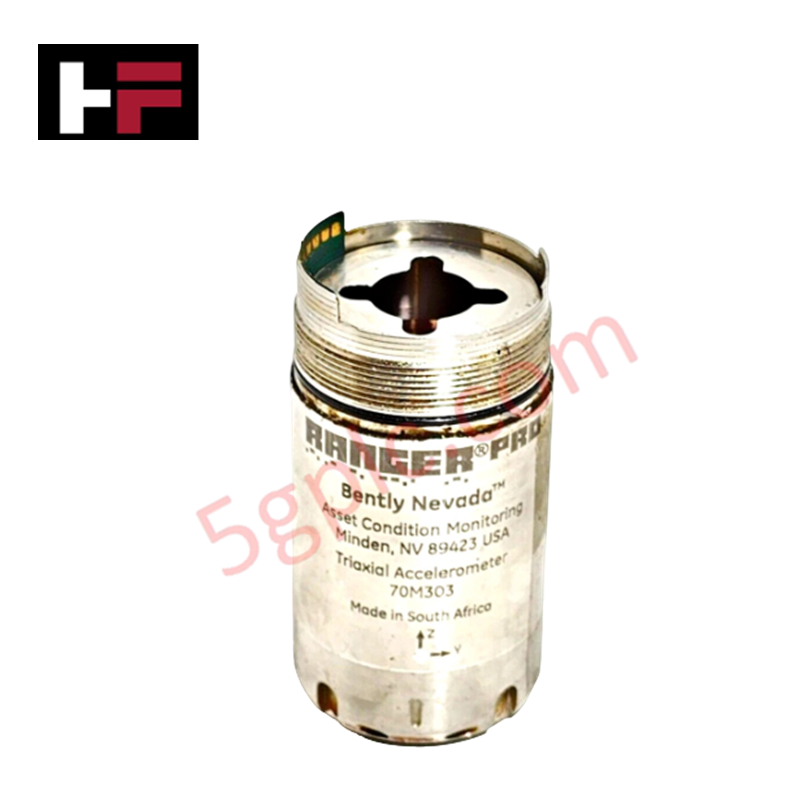
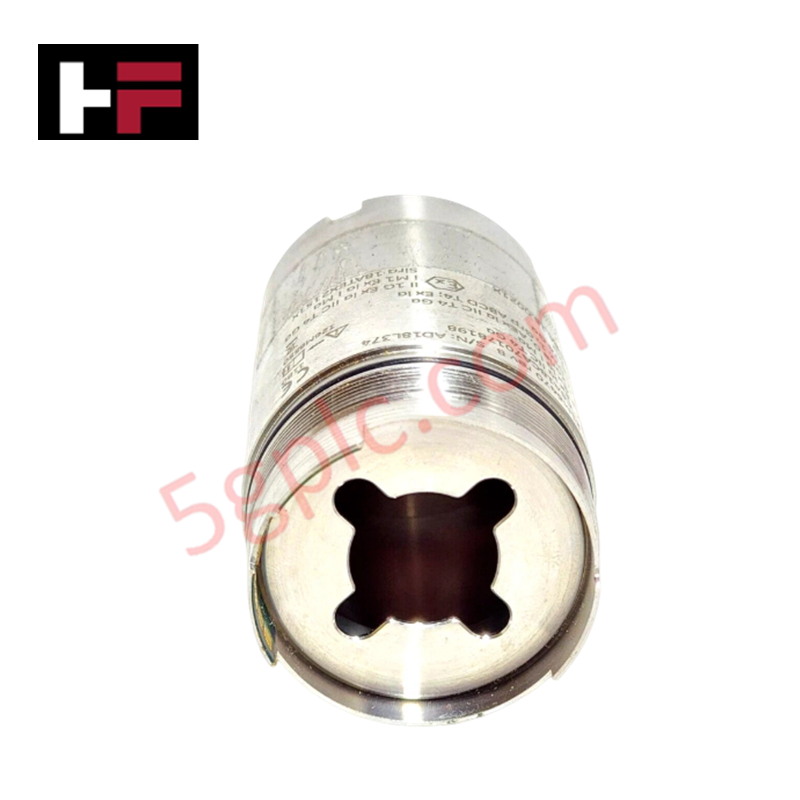
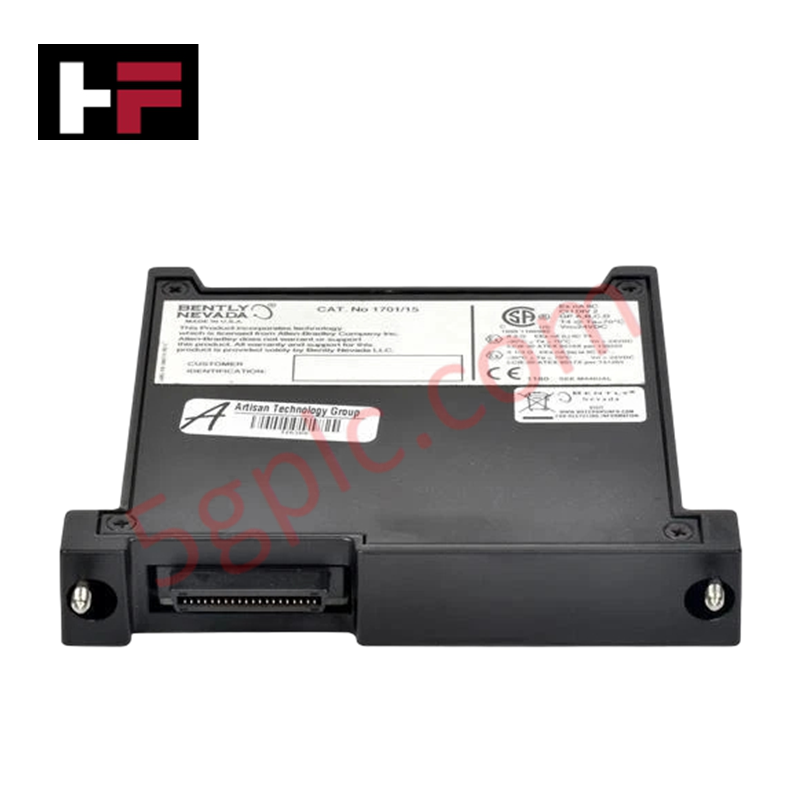
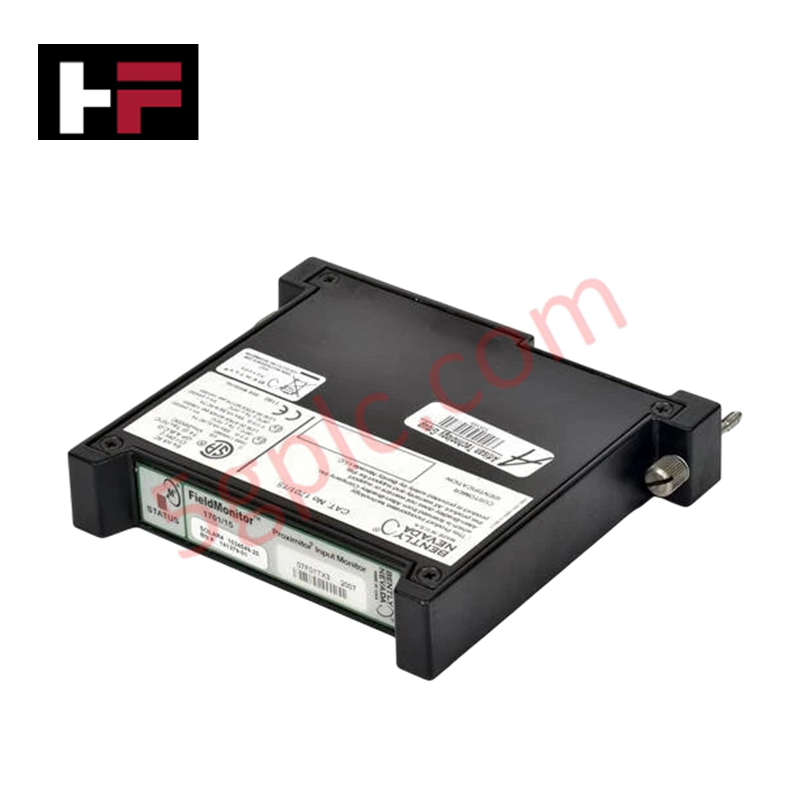
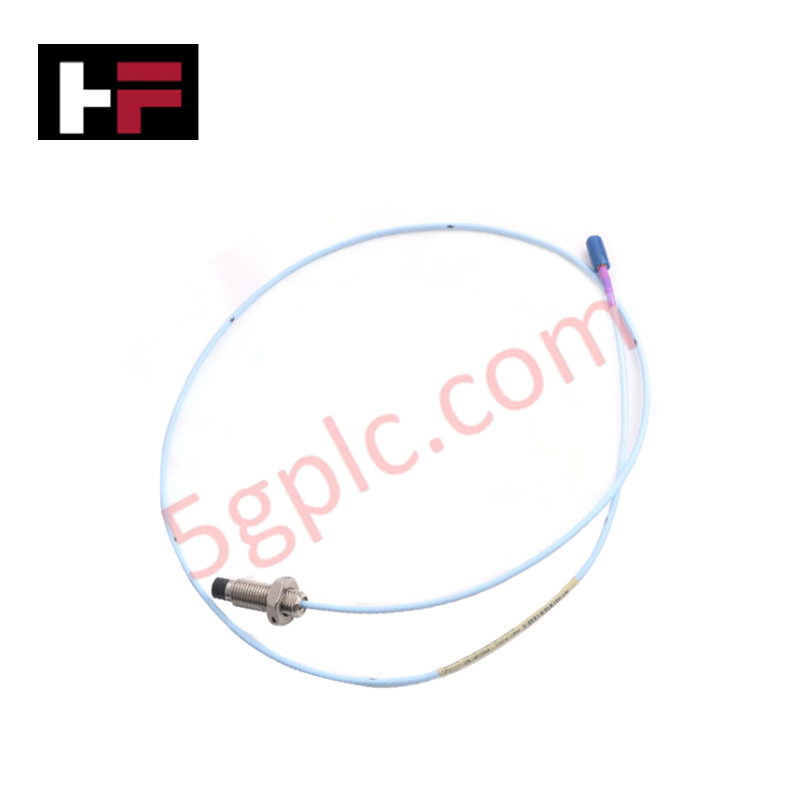
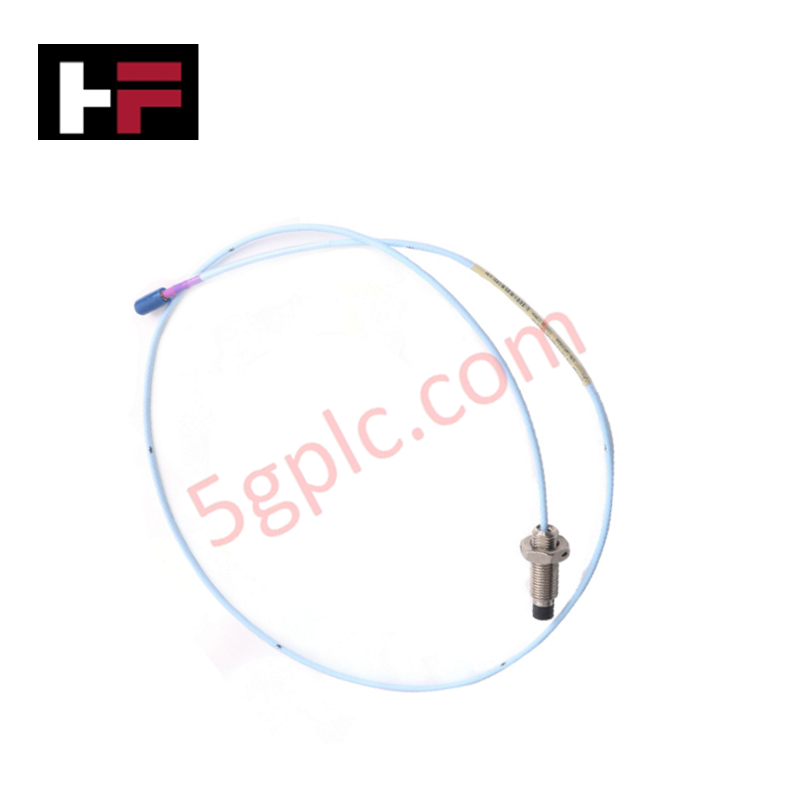
The Bently Nevada 21500-00-16-05-02, also cataloged as the 21500 Proximity Probe, operates as a dedicated hardware component for contactless shaft position and dynamic displacement acquisition within 7200 Series Vibration Monitoring Systems.
Suffix Breakdown & Model Matrix
| Option Field | Code | Configuration Detail |
|---|---|---|
| Unthreaded Length Option | 00 | 0.0 in unthreaded length |
| Overall Case Length Option | 16 | 1.6 in overall case length |
| Total Cable Length Option | 05 | 0.5 m (20 in) integral cable length |
| Agency Approval Option | 02 | Multiple approvals (CSA, ATEX, IECEx) |
Hardware Specifications
| Parameter | Specification |
|---|---|
| Model | 21500-00-16-05-02 |
| Brand | Bently Nevada |
| Origin | USA |
| Weight | 0.15 kg |
| Dimensions | 1/4-28 UNF thread, 1.6 in case length |
| Operating Temp | -40 deg C to +85 deg C |
| Power Consumption | Powered via external Proximitor sensor (-24 VDC loop) |
| Measurement Range | 0 to 80 mils (0 to 2.0 mm) peak-to-peak |
| Frequency Response | 10 Hz to 1 kHz |
| Scale Factor / Sensitivity | 200 mV/mil (7.87 V/mm) nominal |
| Cable Length | 0.5 m (20 in) integral probe cable |
Eddy-Current Probe Scaling and Gap Voltage Validation
The 21500-00-16-05-02 probe relies on high-frequency electromagnetic field generation at the probe tip to track shaft displacement. Maintaining precise physical alignment and correct system matched capacitance ensures linear eddy-current probe scaling across the 200 mV/mil output response curve. Field setup requires static gap voltage validation (-10 VDC baseline setting target) using a calibrated digital multimeter during probe positioning. Correct gap setting prevents signal saturation at high vibration amplitudes and optimizes cross-talk suppression between adjacent vertical and horizontal shaft channels.
Frequently Asked Questions
Q: Does the 21500-00-16-05-02 probe connect directly to a 3500 series monitor card?
A: No, the proximity probe must route through an appropriately matched 7200 Series Proximitor sensor and extension cable to convert field capacitance change into a proportional voltage signal.
Q: Can the integral 0.5-meter probe cable be cut or modified during installation?
A: No, trimming or splicing the probe cable changes total circuit inductance and capacitance, causing severe calibration error in probe scaling.
Field Installation Guidelines
- Inspect the 1/4-28 UNF probe body threads and tip area for dirt, metal shavings, or mechanical thread damage before mounting.
- Thread the probe into the machine casing tapping boss until the probe tip approaches the target shaft face.
- Supply power to the associated Proximitor sensor and monitor the DC gap voltage across the sensor signal terminals.
- Adjust the probe position mechanically until the gap voltage reaches the nominal -10 VDC gap target (approximate midpoint of the 200 mV/mil linear range).
- Lock the probe securely in place using a external locknut, torque to standard mechanical limits, and route the integral cable to the extension cable junction box.
Additional Information
- 100% Genuine Parts: All products are original and authentic, ensuring reliable industrial performance.
- 30-Day Refund Guarantee: Return any in-stock item within 30 days in original, unopened packaging for a full refund (excluding shipping and fees).
- 12-Month Warranty: Covers defects in materials or workmanship; excludes misuse, normal wear, or unauthorized modifications.
- Worldwide Shipping: We ship via USPS, UPS, FedEx, and DHL. Delivery times vary by country and may be subject to customs or import fees.
- Support & Contact: Technical and warranty assistance is available anytime. Contact us here: Contact.
- Purchase Guidance: Check product specifications and compatibility carefully before ordering to ensure proper application.


Tech & Buying Guide

Spatial Computing in Industrial Automation: Elevating PLC and DCS Operations with AR and VR
Industry 4.0 integrates digital intelligence into field operations, transforming factory automation landscapes worldwide. Spatial technologies—specifically Augmented Reality (AR) and Virtual Reality (VR)—redefine how engineers interact with industrial control systems. By bridging computer-generated CAD models with real-time operational technology (OT) data, immersive displays enable intuitive monitoring, rapid diagnostics, and safer maintenance across complex processing facilities.

Master Acceptance Testing: Understanding FAT and SAT in Industrial Control Systems
Factory Acceptance Testing (FAT) and Site Acceptance Testing (SAT) serve as critical quality assurance gateways in complex industrial control systems. Both procedures verify that programmable logic controllers (PLCs), distributed control systems (DCS), and associated field devices meet strict functional specifications. However, executing these tests effectively requires clear delineation between off-site staging and final field commissioning.

Industrial Networking Essentials: Demystifying Hubs, Switches, and Routers in Control Systems
Industrial automation relies heavily on robust networking infrastructure to connect programmable logic controllers (PLCs), distributed control systems (DCS), and human-machine interfaces (HMIs). Modern factory automation environments generate vast amounts of real-time operational data across deterministic networks. Understanding the structural differences between hubs, switches, and routers ensures optimal traffic segmentation, minimizes latency, and maintains high network availability.