








Product Details
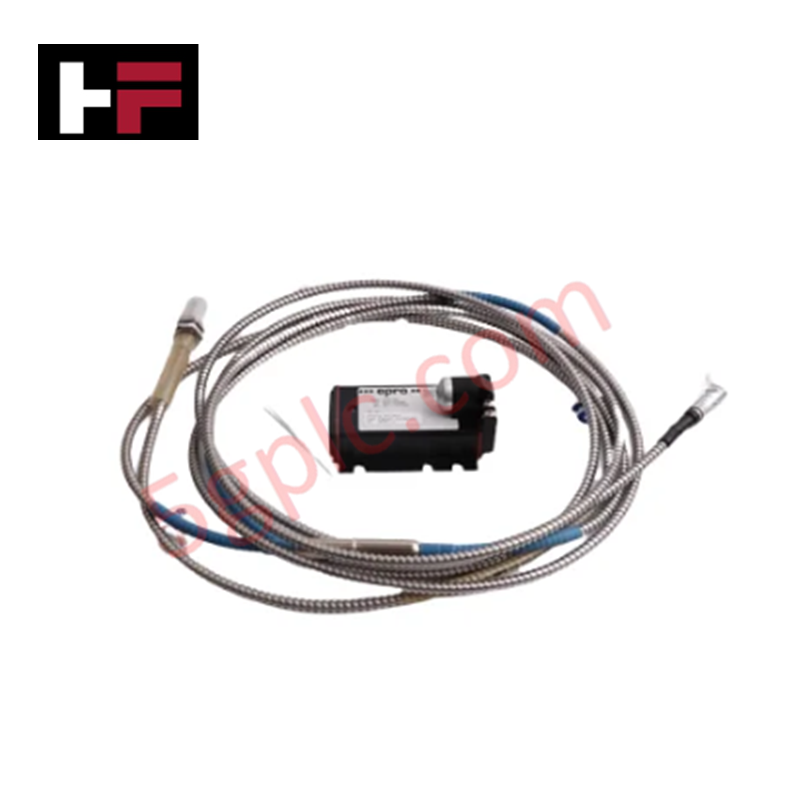
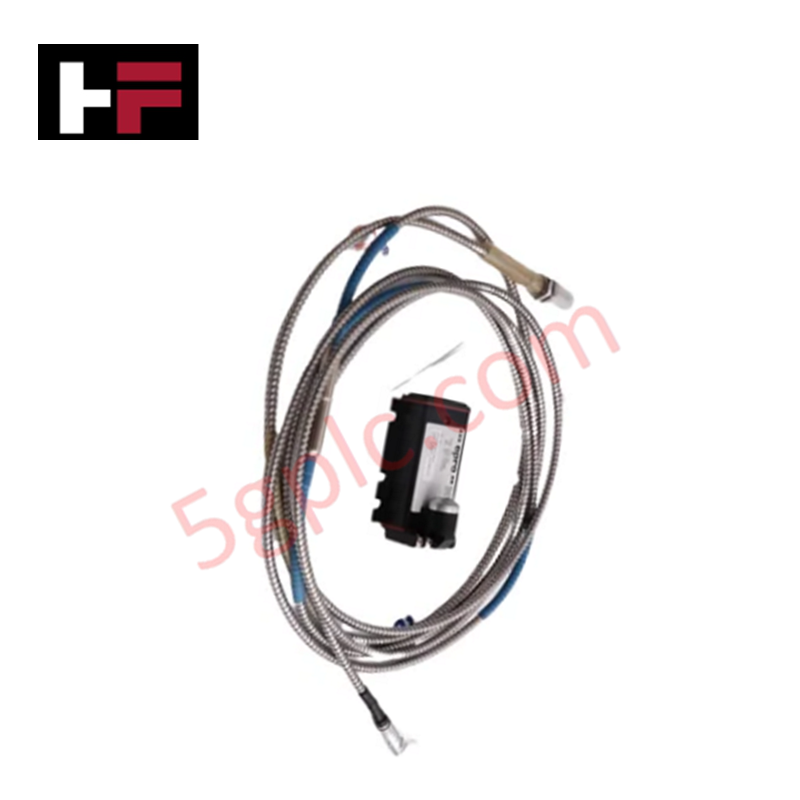
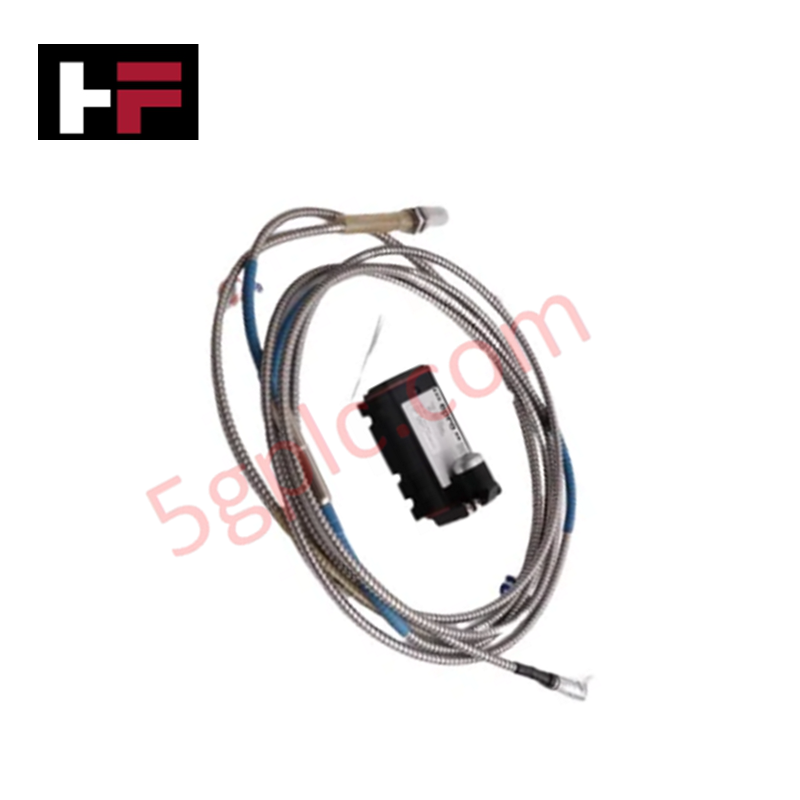
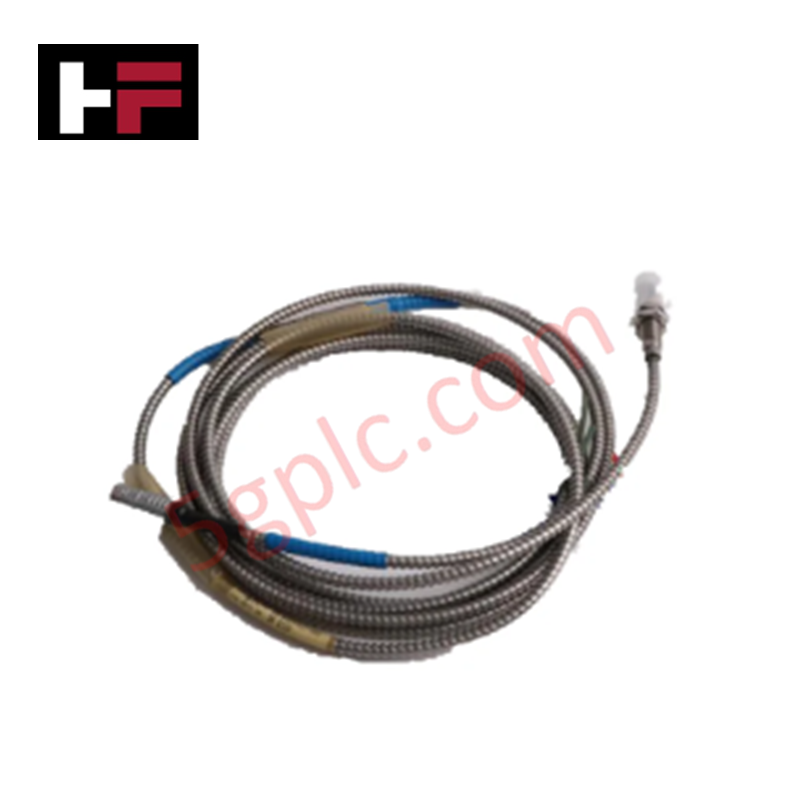
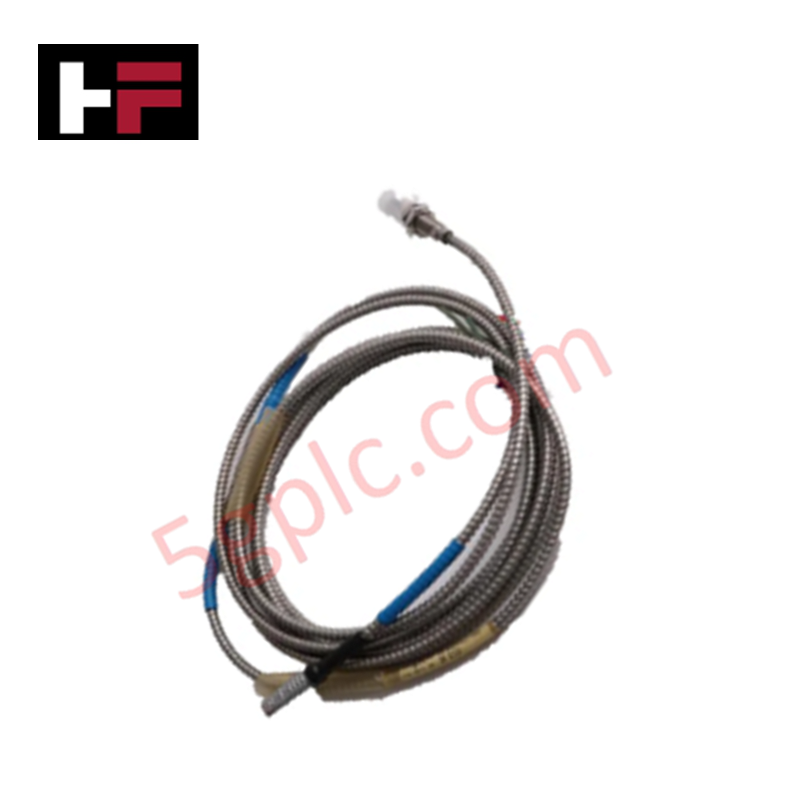
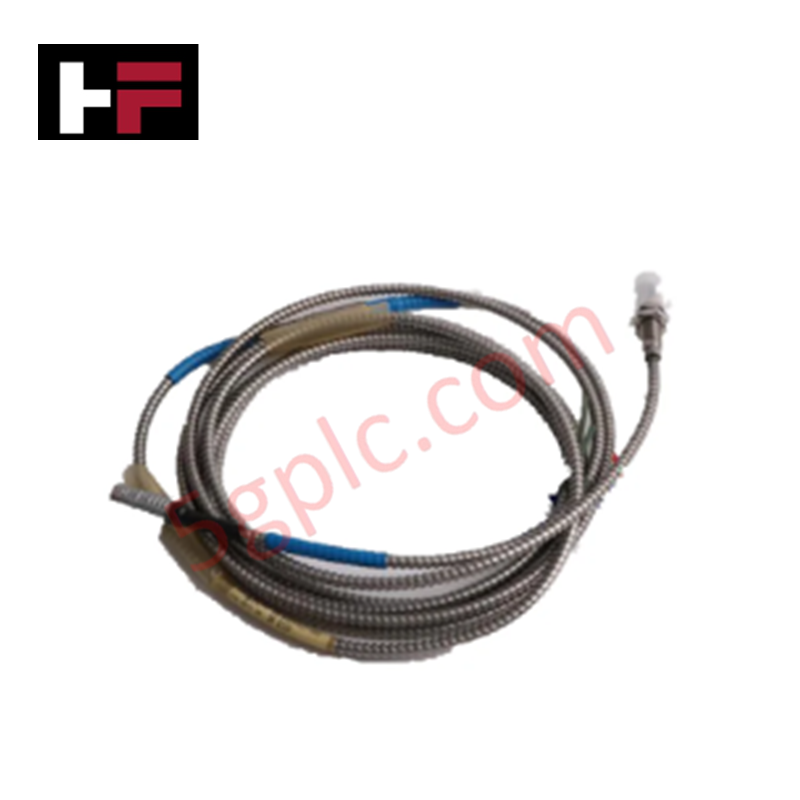
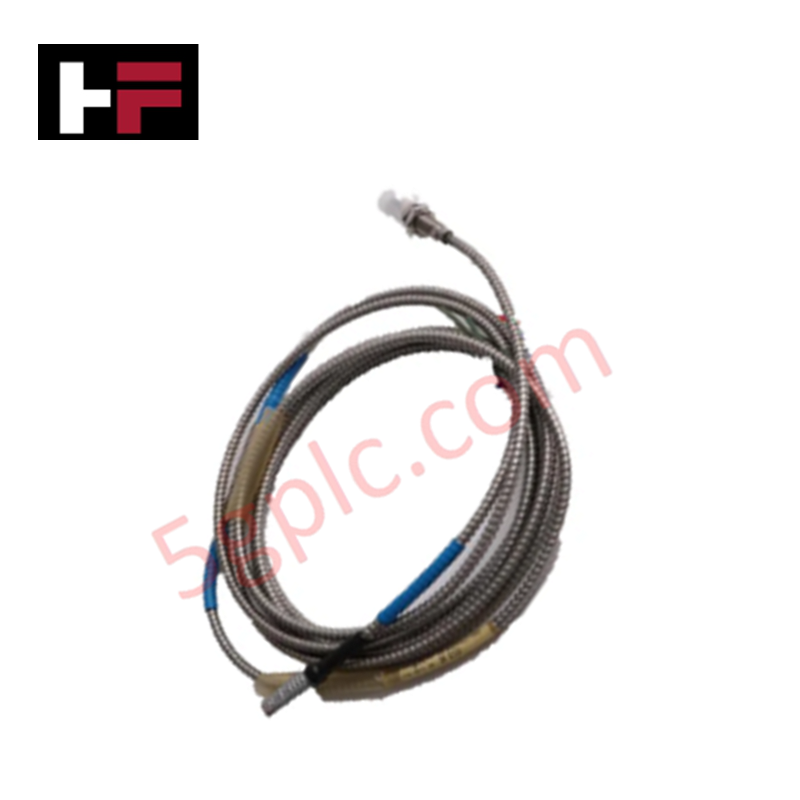
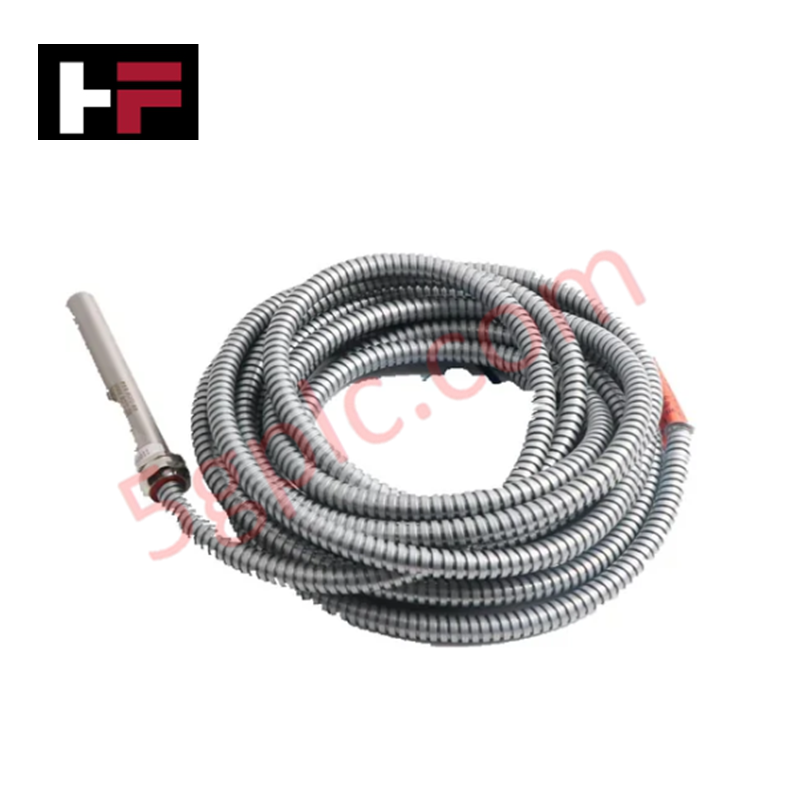
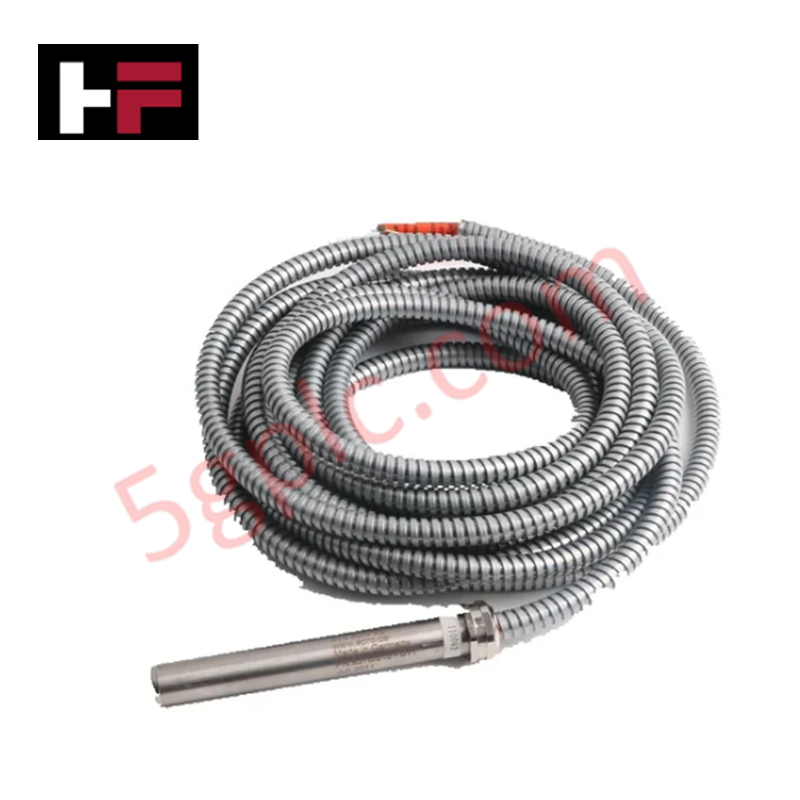
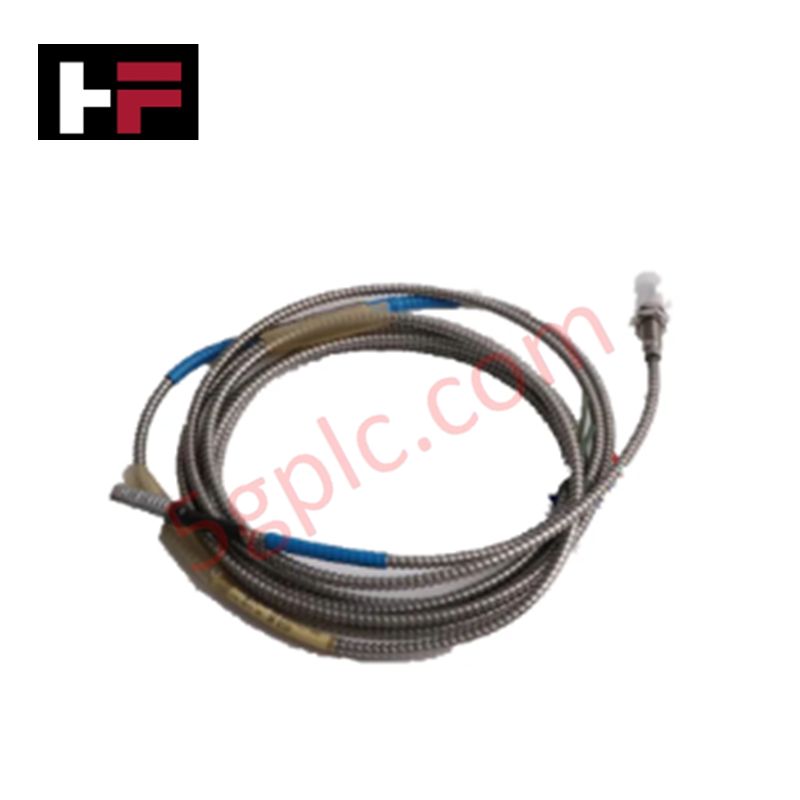
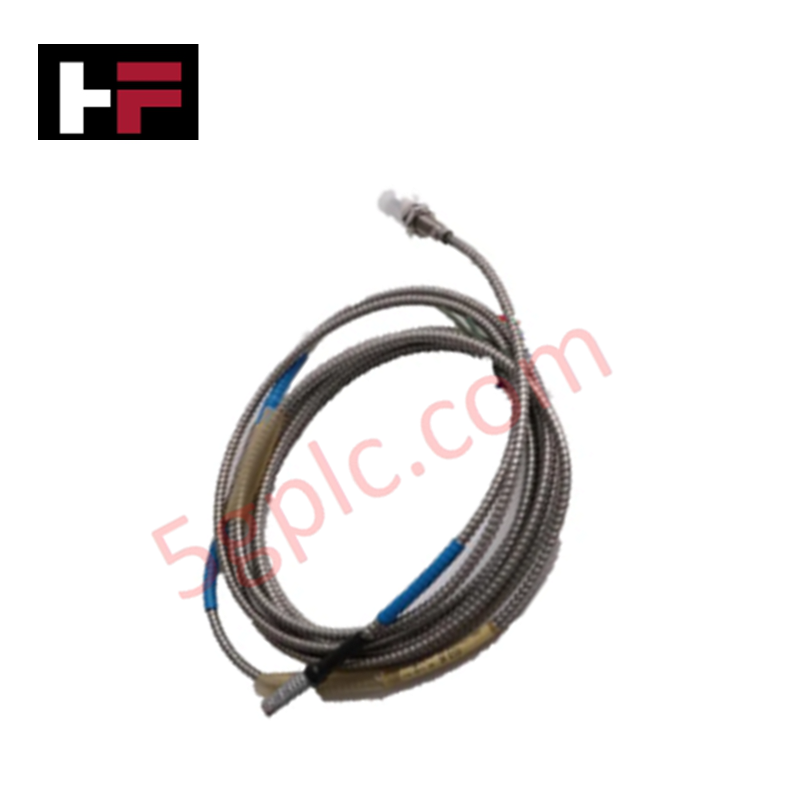
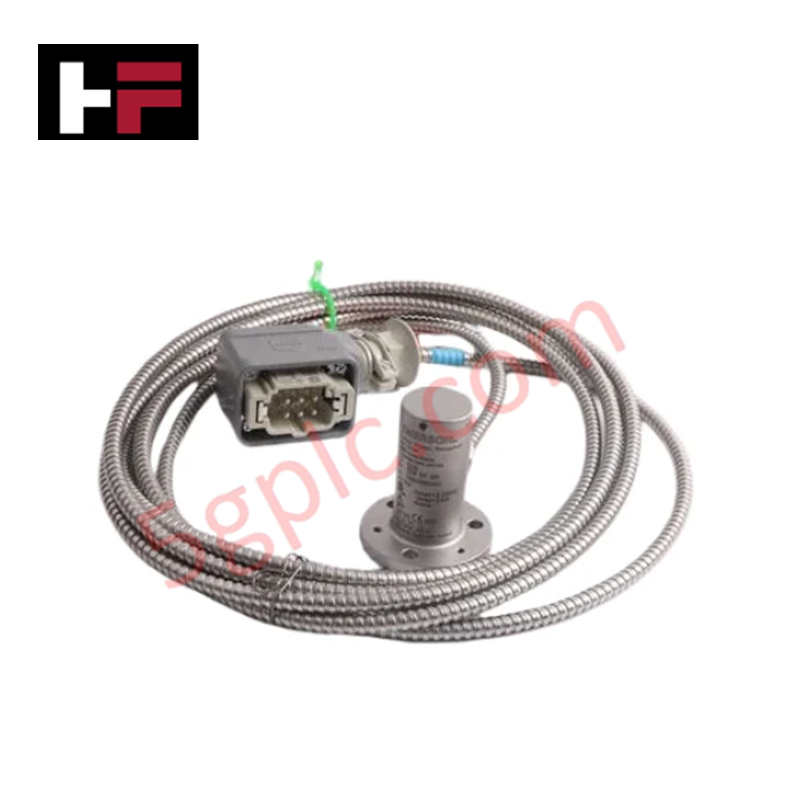
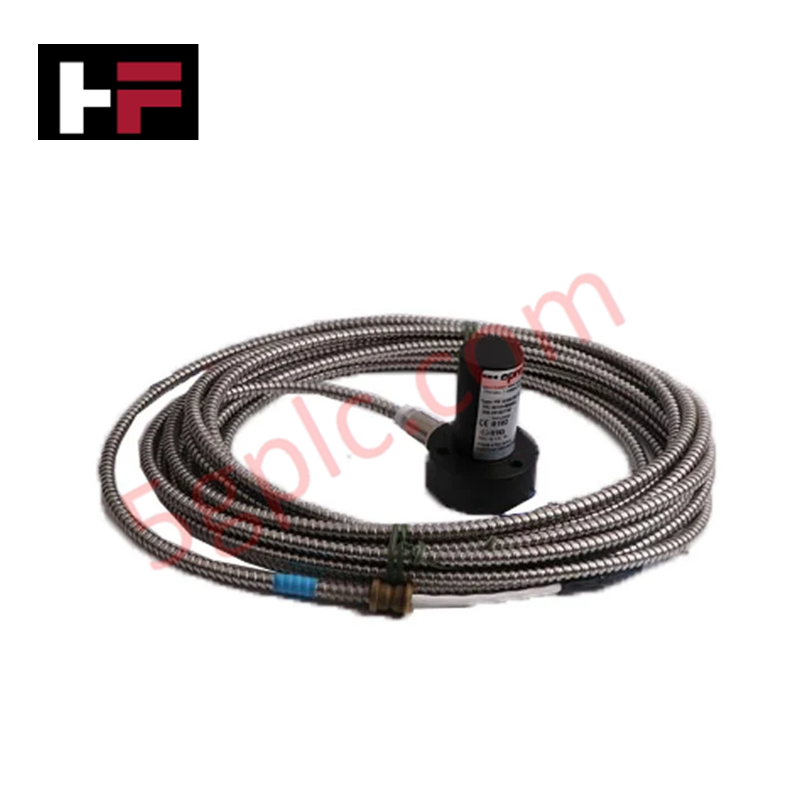
Configured for precision displacement and vibration measurement in rotating machinery, the Emerson PR6423/016-100 (PR6423/016-100 Eddy Current Sensor) provides direct physical signal execution. The hardware operates by inducing eddy currents in a ferromagnetic shaft surface, where the resulting impedance change is processed by the associated CON021 converter to deliver high-resolution displacement data for real-time turbine and compressor monitoring.
Hardware Specifications
| Parameter | Specification |
|---|---|
| Model | PR6423/016-100 |
| Brand | Emerson (EPRO) |
| Origin | Subject to certificate of origin |
| Weight | 0.26 kg |
| Dimensions | 8 mm (Standard body) |
| Operating Temp | -35 deg C to +180 deg C |
| Power Consumption | Dependent on CON021 loop supply |
| Measurement Range | 2 mm |
| Scale Factor | 8 V/mm (203.2 mV/mil) |
| Protection Class | IP66 |
Channel-to-Channel Isolation and Process Interface
The integration of the Emerson PR6423/016-100 requires careful consideration of the measurement loop electrical integrity. When deployed in multi-channel monitoring systems, ensure proper channel-to-channel isolation at the CON021 converter stage to prevent ground loop currents from injecting noise into the displacement signal. The system utilizes a standard 4-20 mA HART-compatible loop protocol interface (when integrated with appropriate transmitter modules), requiring strict adherence to signal shielding protocols. Cold junction compensation is not applicable to this inductive sensor type; however, linearity is maintained via factory-set scaling factors specific to AISI 4140 steel targets.
Frequently Asked Questions
Q: Is the PR6423/016-100 compatible with existing CON021 converters?
A: Yes, the PR6423/016-100 is electrically matched for use with the CON021 signal converter. Ensure the converter's firmware and calibration settings align with the 2 mm measurement range of this sensor model.
Q: Can the sensor tip be subjected to temperatures exceeding 180 deg C?
A: No, operating the sensor beyond the rated 180 deg C will lead to permanent structural degradation of the internal coil potting and potential signal failure due to thermal expansion of the PEEK housing.
Q: What precautions are required when installing near other inductive sensors?
A: To prevent cross-talk, maintain a minimum physical separation distance as defined in the manufacturer's installation manual. Overlapping magnetic fields from adjacent sensors can interfere with the oscillation frequency (30 kHz) and induce reading errors.
Field Installation Guidelines
- Alignment: Ensure the sensor axis is strictly perpendicular to the shaft surface. Misalignment will degrade linearity and introduce non-linear displacement errors.
- Gap Setting: Establish an initial air gap of 0.5 mm. Use a precision feeler gauge or the associated diagnostic interface to verify the output voltage corresponds to the expected nominal gap voltage.
- Grounding: Terminate cable shields at a single dedicated ground point. Avoid using the machine chassis as a signal return path to maintain signal-to-noise ratio.
- Torque: When mounting into the machine casing, do not exceed the mechanical torque limits for the sensor threads to prevent housing deformation.
Additional Information
- 100% Genuine Parts: All products are original and authentic, ensuring reliable industrial performance.
- 30-Day Refund Guarantee: Return any in-stock item within 30 days in original, unopened packaging for a full refund (excluding shipping and fees).
- 12-Month Warranty: Covers defects in materials or workmanship; excludes misuse, normal wear, or unauthorized modifications.
- Worldwide Shipping: We ship via USPS, UPS, FedEx, and DHL. Delivery times vary by country and may be subject to customs or import fees.
- Support & Contact: Technical and warranty assistance is available anytime. Contact us here: Contact.
- Purchase Guidance: Check product specifications and compatibility carefully before ordering to ensure proper application.
Tech & Buying Guide
Mastering Functional Safety Terminology in Industrial Automation
In modern process control and factory automation, managing operational risk is a top engineering priority. High-speed machinery, high-pressure vessels, and continuous processes present constant hazards to personnel and equipment. Modern plant operations rely heavily on functional safety strategies to mitigate these risks. This guide breaks down the essential functional safety terminology that every control systems engineer should master.

Understanding Dry Contacts in PLC Wiring: An Industrial Automation Guide
Mastering contact switching principles is essential for reliable control panels. Field devices and PLCs interface through dry or wet contacts. This technical guide examines the mechanics of dry contacts, explores their wiring architectures, and evaluates their key advantages in industrial automation.

Ultimate Commissioning Checklist for Industrial Automation Systems: An Engineering Guide
Commissioning is the most decisive phase of an industrial automation project, transforming control hardware and software into an operational facility. Thorough testing prevents costly startup delays and builds customer confidence. This guide covers essential checklists, electrical standards, and best practices.