










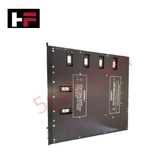
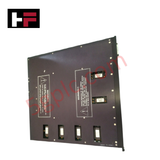
Product Details
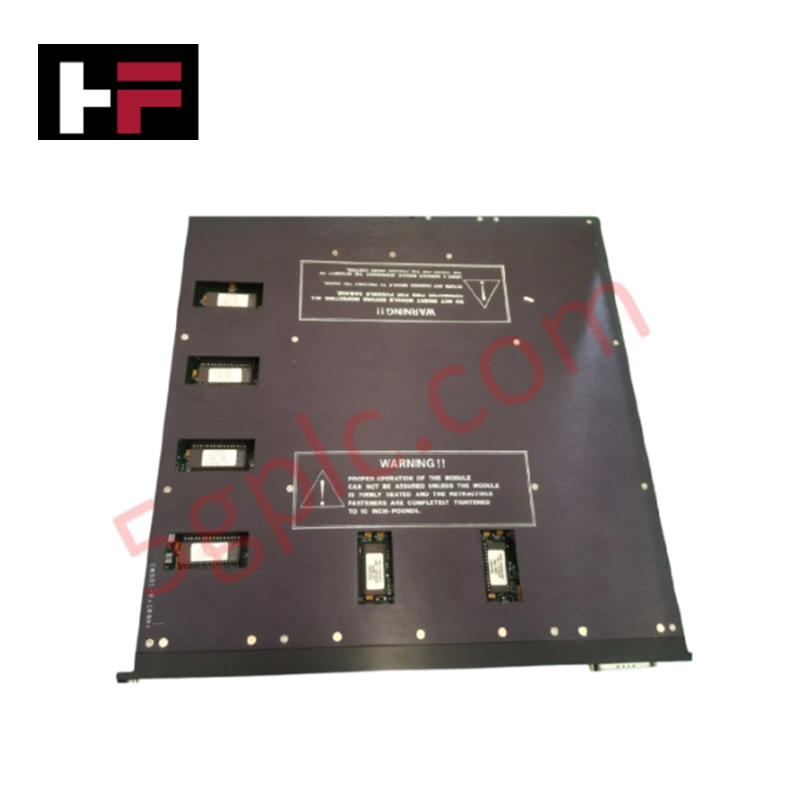
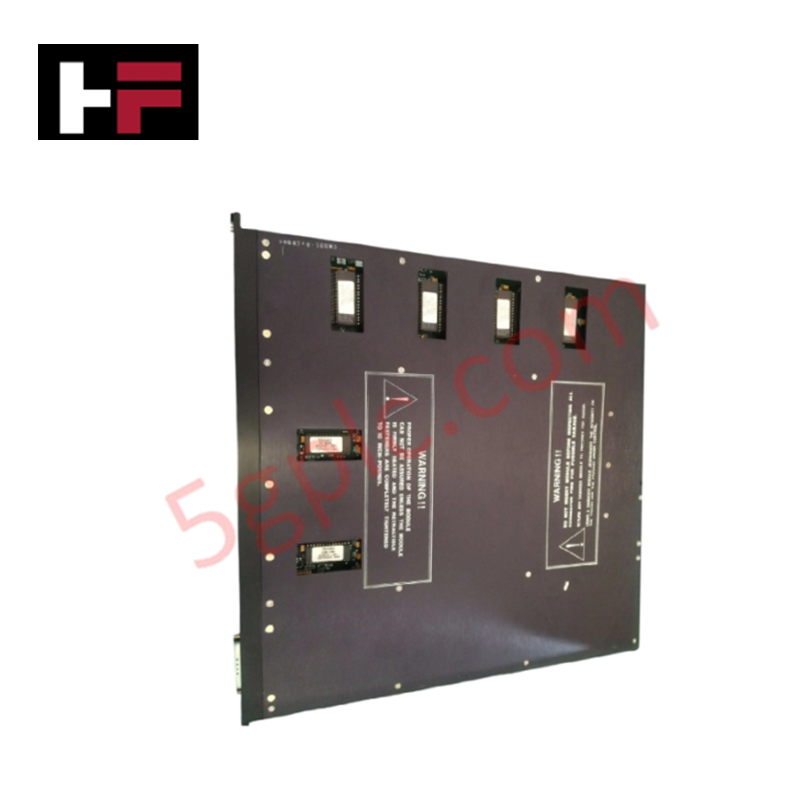
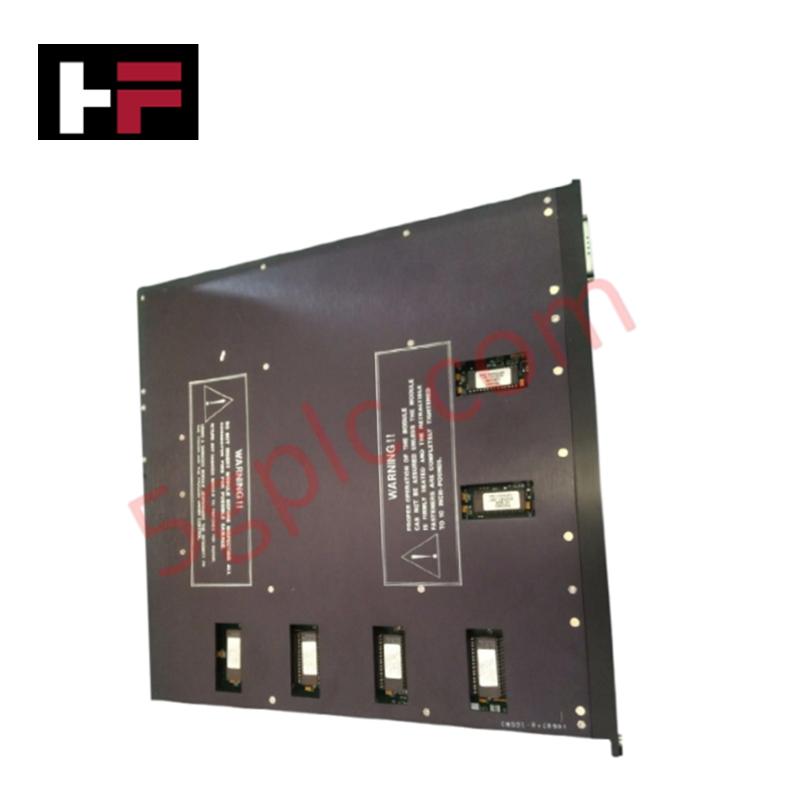
The TRICONEX 4117, also cataloged as the 4117 CPU Processor Unit Module, operates as a dedicated hardware component for real-time fault-tolerant processing and safety logic execution within Triconex safety instrumented systems. It processes input signals and executes application logic across 512 KB RAM memory while maintaining deterministic task execution and system diagnostic monitoring.
Hardware Specifications
| Parameter | Specification |
|---|---|
| Model | 4117 |
| Brand | Triconex |
| Origin | USA |
| Operating Temp | -40 deg C to +70 deg C |
| Power Consumption | Operating Voltage: 24 VDC |
| Architecture | Triple Modular Redundancy (TMR) |
| Memory | 512 KB RAM |
| Communication Ports | Ethernet, RS-232, RS-485, USB |
| Safety Certification | SIL3 certified, IEC 61508 compliant |
Triple Modular Redundancy (TMR) Architecture and Fail-Safe State Execution
The TRICONEX 4117 utilizes a Triple Modular Redundancy (TMR) 2oo3 architecture consisting of three isolated main processor channels operating in parallel. Each channel executes application programs independently, comparing internal states and output data via high-speed hardware triplicated voting logic. Channel-to-channel galvanic isolation prevents field-side electrical transients or hardware faults from propagating across processing legs. In the event of a channel fault or unresolvable memory divergence, the module isolates the degraded path to preserve fail-safe state execution without interrupting system operations.
Frequently Asked Questions
Q: Does the 4117 module support online hot-swapping during active system operations?
A: Yes, the module supports hot-swapping into an active chassis slot without requiring a shutdown of the main system rack or halting logic execution on redundant processors.
Q: What action does the processor take upon detecting a single hardware fault in one of its TMR channels?
A: Advanced fault detection diagnostics isolate the faulted processing channel while the remaining two channels continue operating in a 2oo2 voting configuration to maintain SIL3 capability.
Q: Which communication protocols and physical interfaces are directly integrated into the 4117 hardware?
A: Physical ports include Ethernet, RS-232, RS-485, and USB interfaces to support peer-to-peer safety network communications and diagnostic connections.
Field Installation Guidelines
- Verify backplane keying slots before inserting the 4117 module into the designated main chassis processor slot.
- Seat the module firmly into the backplane connector and fully engage the top and bottom retaining latches to ensure solid electrical ground contact.
- Connect communication cables to designated Ethernet or serial ports using shielded twisted-pair cabling to maintain signal integrity.
- Ensure cabinet power distribution delivers a clean, regulated 24 VDC supply to the backplane to prevent logic reset conditions during voltage dips.
Additional Information
- 100% Genuine Parts: All products are original and authentic, ensuring reliable industrial performance.
- 30-Day Refund Guarantee: Return any in-stock item within 30 days in original, unopened packaging for a full refund (excluding shipping and fees).
- 12-Month Warranty: Covers defects in materials or workmanship; excludes misuse, normal wear, or unauthorized modifications.
- Worldwide Shipping: We ship via USPS, UPS, FedEx, and DHL. Delivery times vary by country and may be subject to customs or import fees.
- Support & Contact: Technical and warranty assistance is available anytime. Contact us here: Contact.
- Purchase Guidance: Check product specifications and compatibility carefully before ordering to ensure proper application.


Tech & Buying Guide

Spatial Computing in Industrial Automation: Elevating PLC and DCS Operations with AR and VR
Industry 4.0 integrates digital intelligence into field operations, transforming factory automation landscapes worldwide. Spatial technologies—specifically Augmented Reality (AR) and Virtual Reality (VR)—redefine how engineers interact with industrial control systems. By bridging computer-generated CAD models with real-time operational technology (OT) data, immersive displays enable intuitive monitoring, rapid diagnostics, and safer maintenance across complex processing facilities.

Master Acceptance Testing: Understanding FAT and SAT in Industrial Control Systems
Factory Acceptance Testing (FAT) and Site Acceptance Testing (SAT) serve as critical quality assurance gateways in complex industrial control systems. Both procedures verify that programmable logic controllers (PLCs), distributed control systems (DCS), and associated field devices meet strict functional specifications. However, executing these tests effectively requires clear delineation between off-site staging and final field commissioning.

Industrial Networking Essentials: Demystifying Hubs, Switches, and Routers in Control Systems
Industrial automation relies heavily on robust networking infrastructure to connect programmable logic controllers (PLCs), distributed control systems (DCS), and human-machine interfaces (HMIs). Modern factory automation environments generate vast amounts of real-time operational data across deterministic networks. Understanding the structural differences between hubs, switches, and routers ensures optimal traffic segmentation, minimizes latency, and maintains high network availability.